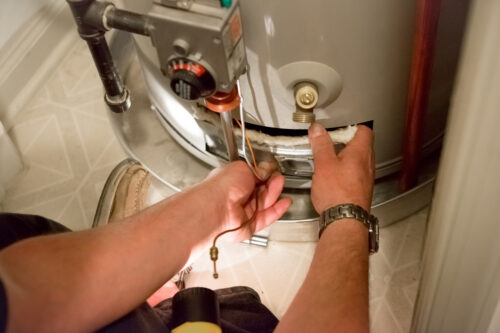

When homeowners think about frozen pipes, they usually picture exterior walls or outdoor plumbing. But one of the most overlooked problem areas is the space around the water heater. Each winter, we respond to calls where pipes freezing near the water heater cause loss of hot water, leaks, or even burst pipes.
The good news is that this type of damage is often preventable with a few proactive steps.
Below, we explain why pipes freeze near water heaters and what you can do to protect your system all winter long.
Why Pipes Freeze Near the Water Heater
Even though water heaters produce heat, the surrounding pipes can still freeze if conditions are right. Common reasons include:
- Water heaters located in unheated basements, garages, or crawl spaces
- Cold air drafts near exterior walls
- Poor insulation on supply and return lines
- Little to no water movement during cold snaps
When pipes freeze near the water heater, the issue often shows up as reduced flow, no hot water, or sudden leaks once temperatures rise.
Warning Signs of Pipes Freezing Near the Water Heater
Early signs of pipes freezing water heater lines include:
- Hot water pressure suddenly dropping
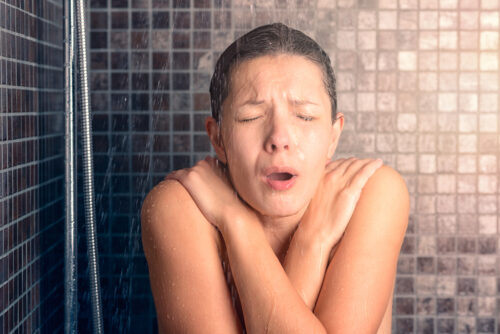
- Only lukewarm water at fixtures
- Frost or condensation on nearby pipes
- Unusual noises when turning on hot water
These are warning signs that should not be ignored. A partially frozen pipe can quickly freeze solid and burst.
How to Prevent Pipes from Freezing Around the Water Heater
1. Insulate All Exposed Pipes
Pipes connected to the water heater should be insulated, especially those running along exterior walls or ceilings.
Focus on:
- Hot and cold supply lines
- Pipes leading to exterior faucets
- Any exposed copper or PEX near the tank
Pipe insulation sleeves are inexpensive and effective.
2. Seal Drafts and Cold Air Leaks
Cold air entering the space around your water heater can freeze pipes even if the rest of the basement feels warm.
Check for:
- Gaps around foundation walls
- Drafts near windows or vents
- Unsealed wall or ceiling penetrations
Sealing these areas helps keep warm air where it’s needed.
3. Keep the Area Around the Water Heater Warm
Avoid turning down the heat too low in winter, especially in spaces with plumbing.
Helpful steps include:
- Keeping the room door open for heat circulation
- Avoiding space heater use near the tank
- Maintaining a minimum indoor temperature of 13°C (55°F)
Warm air circulation is key to preventing frozen pipes.
4. Let Water Move During Extreme Cold
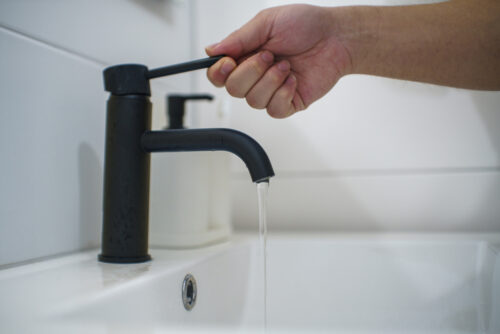
During severe cold snaps, letting a faucet drip slightly can help prevent freezing.
This:
- Keeps water moving through the pipes
- Reduces pressure buildup
- Lowers the risk of ice forming
This is especially helpful overnight when temperatures drop fastest.
5. Inspect for Previous Freeze Damage
Pipes that have frozen before are more likely to freeze again.
Look for:
- Small cracks or corrosion
- Old repairs near the water heater
- Discoloured or weakened pipe sections
A professional inspection can identify vulnerable areas before winter damage occurs.
What to Do If Pipes Freeze Near the Water Heater
If you suspect frozen pipes:
- Turn off the water supply to prevent damage
- Avoid open flames or torches
- Use gentle heat like a hairdryer or warm towels
- Call a licensed plumber if the pipe doesn’t thaw or if leaks appear
Burst pipes near the water heater can cause serious water damage quickly.
When to Call a Professional
You should contact a plumber immediately if:
- You lose hot water suddenly
- Pipes appear frosted or frozen
- You notice leaks after thawing
- Pressure doesn’t return after warming temperatures
Professional help can prevent a small freeze from turning into a major repair.
Protect Your Water Heater and Pipes This Winter
Preventing pipes from freezing near the water heater is an important part of winter plumbing care. With proper insulation, airflow, and routine checks, most freezing issues can be avoided.
At Plumbing Dunn Right, we help homeowners across Milton and the surrounding areas protect their water heaters and plumbing systems all winter long. If you’re concerned about freezing pipes or want a professional inspection, we’re here to help — 24/7.
Contact us today to book a consultation for your water heater.
Want to learn more about water heaters? Keep your home’s hot water running smoothly with our helpful water heater guide for homeowners.