The Complete Guide To Waterproofing Your Basement
Keep your home dry and stress low with a practical waterproofing guide for basements.
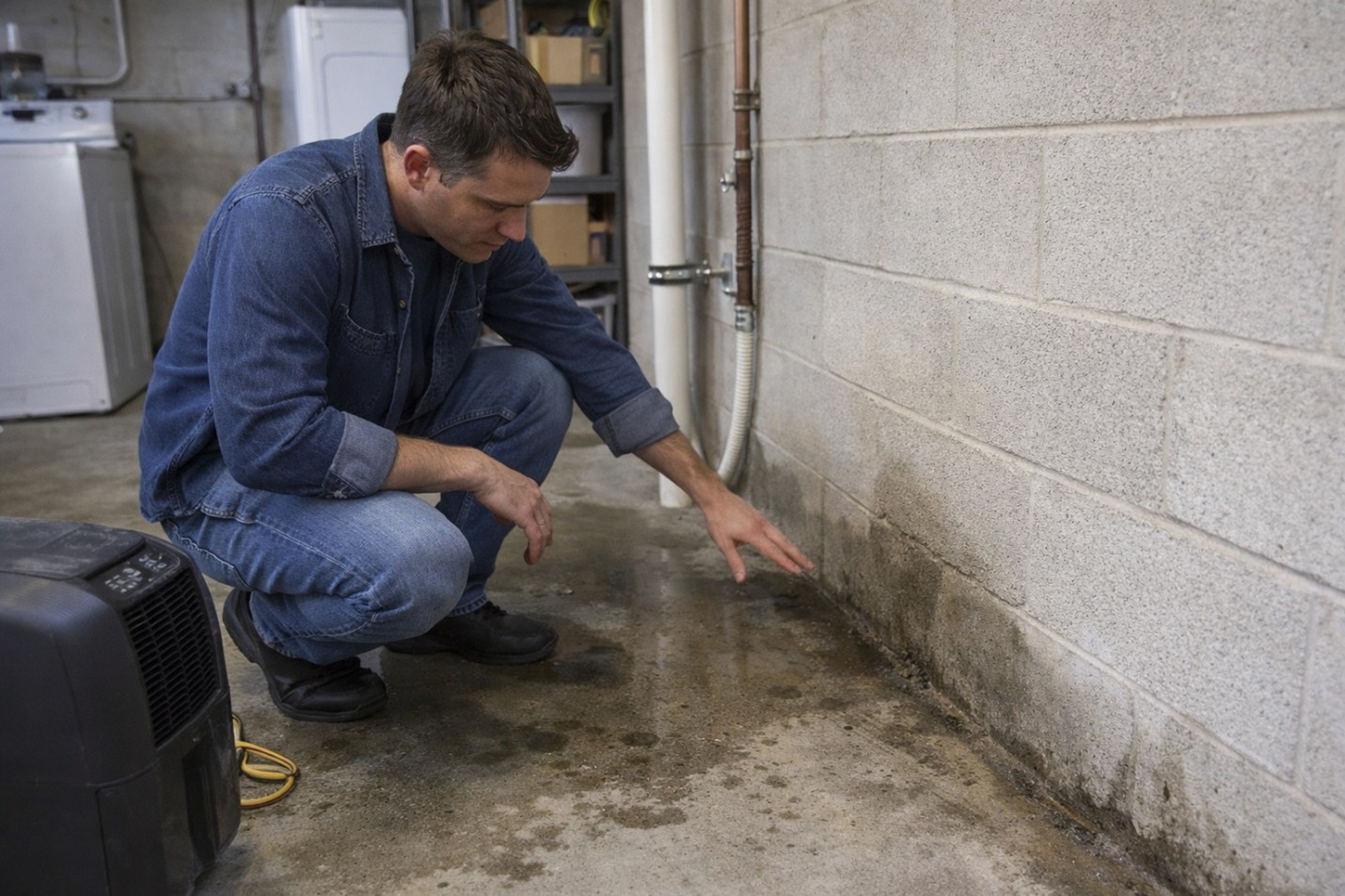
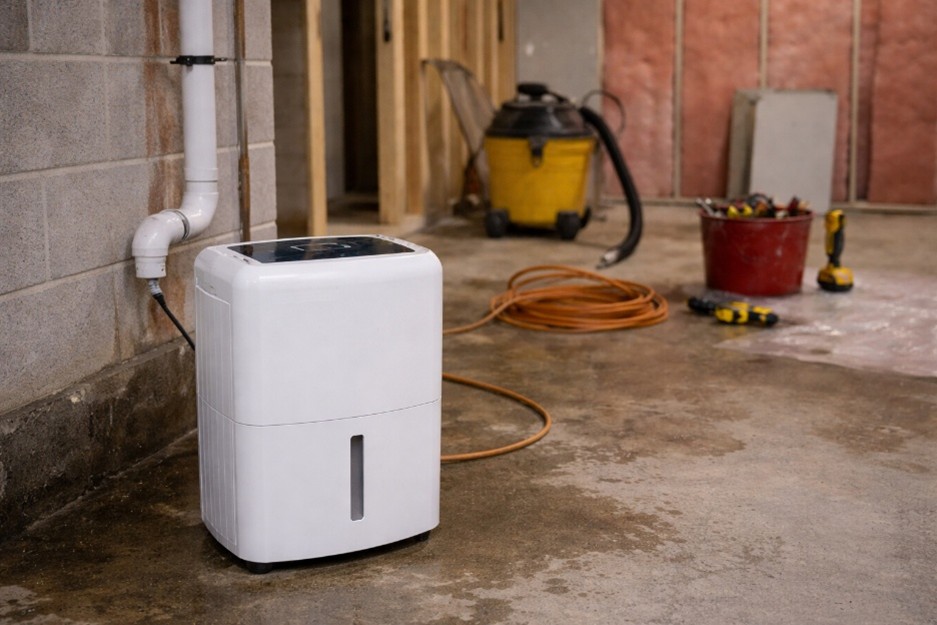
Basement leaks and flooding usually don’t come from “one big problem.” They come from a few smaller issues stacking up—then one heavy rain, fast snowmelt, or spring thaw pushes things over the edge.
In Milton and nearby communities, winter and spring can be especially hard on homes. Snow piles up around foundations. The ground freezes, then thaws. Water has fewer places to go, and it naturally follows the easiest path—often toward your basement.
This guide breaks down a simple, reliable way to think about waterproofing your home: control the water at the surface, protect the drains, and manage groundwater below. You’ll learn what to watch for, what “good” looks like, and when it’s time to bring in a plumber who deals with waterproofing systems every day.
If you’re planning renovations, finishing a basement, or you’ve already had water show up once, this is the right time to take a preventative approach. You don’t need to guess—you need a plan.
What We’ll Cover:
Stormwater Control Around Your Home
1
Sewer Backup Protection Through the Drain System
2
Groundwater Collection and Sump Pump Setup
3
The Halton Region Basement Flooding Protection Program
4
1
Winter And Spring Put Your Home to the Test
Winter and spring are when many “fine all year” homes suddenly show warning signs—musty smells, damp corners, water at the cove joint, or that one floor drain that starts acting up.
To stay ahead of it, think of waterproofing your home as three main components working together:
- Keep roof water out of the foundation zone
- Stop backups from coming up through your drains
- Collect and pump groundwater away before it hits your basement floor
When those three are dialed in, your basement has a much better chance of staying dry—even when the weather is doing its worst.
2
Stormwater Control Around Your Home
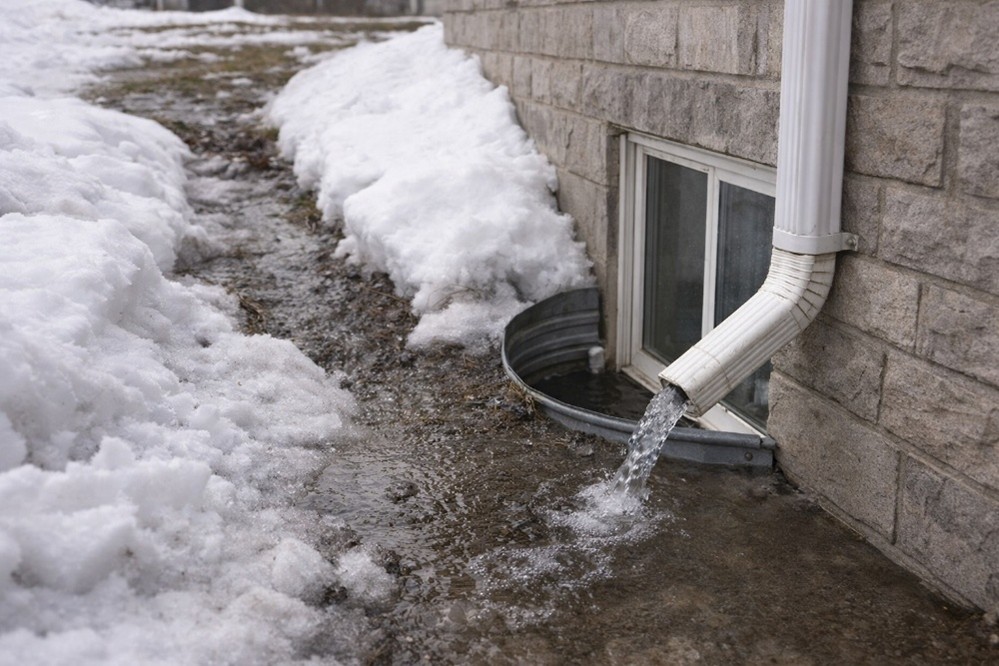
The first step in waterproofing your basement is surprisingly basic: deal with the water that lands on your roof. If that water dumps right beside the foundation, it can saturate the soil and create pressure against basement walls—especially during snowmelt and spring rain.
What Good Stormwater Control Looks Like
- Gutters that aren’t sagging, leaking, or overflowing
- Downspouts that move water well away from the foundation
- Discharge points that direct water to a safe area (not back toward the house)
- No downspouts tied into sanitary drain lines (common in some older setups)
How A Plumber Can Help
A plumber can help with stormwater control by confirming where your downspouts are actually going, spotting risky connections, and recommending downspout disconnection where it makes sense—so roof runoff is redirected to a safe discharge point away from the foundation. If you’re trying to reduce basement flooding risk long-term, this is often the easiest win because it cuts down how much water ever reaches your foundation in the first place.
If you’re looking at bigger improvements, this ties into broader waterproofing services that focus on keeping water out of the basement altogether.
3
Sewer Backup Protection Through the Drain System
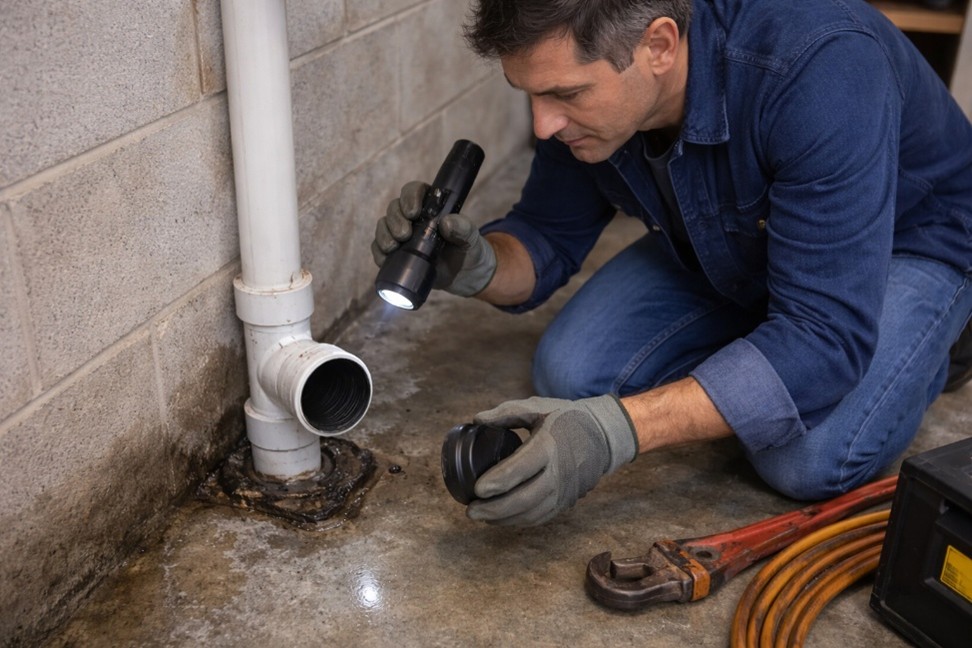
Even if the outside of the home is well-managed, sewer backups can still flood a basement from the inside. This happens when the sanitary system is overloaded, blocked, or compromised—and wastewater looks for the lowest exit point in your home.
Key Protections to Consider
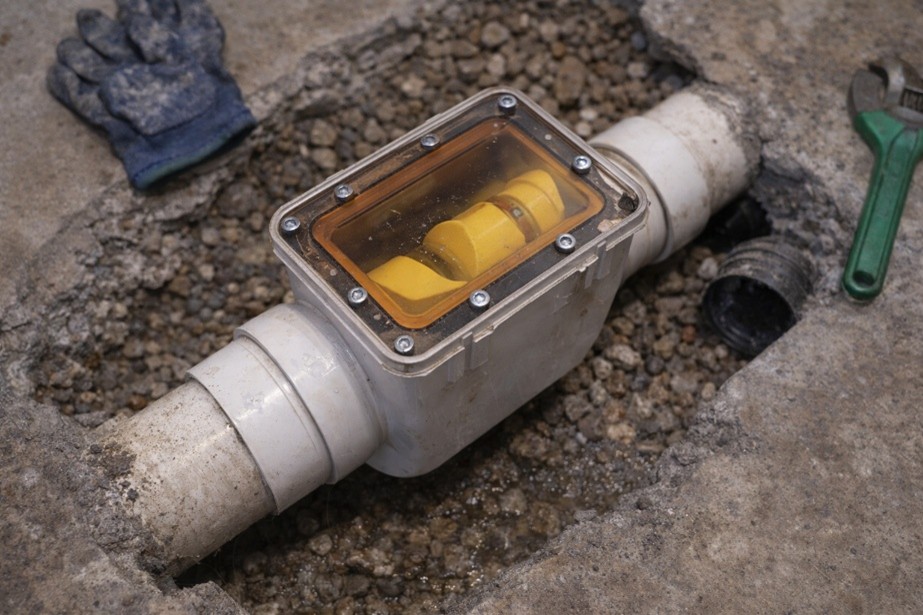
- Backwater valves to help prevent reverse flow into the home
- Regular testing/maintenance so the valve works when it’s needed
- Repairing or lining a sewer lateral if it’s cracked, root-invaded, or offset
- Making sure floor drains and basement fixtures are in good shape and properly protected
How A Plumber Can Help
This is the part of waterproofing a home that planning that really benefits from a licensed pro. A plumber can inspect your drainage system, recommend the right protective devices, and confirm your sewer line is functioning the way it should—before a heavy rain exposes a weak point.
Halton Region specifically recognizes backwater valve installation and sewer lateral lining/repair as key measures that reduce flooding risk.
Groundwater Collection and Sump Pump Setup
When groundwater builds up below the foundation, you need a system that collects it and moves it away safely. This is where foundation drainage and sump systems matter most—especially for homes with basements that sit lower than the surrounding grade.
What This System Does
- Manages groundwater at or below the footing
- Helps prevent seepage through the foundation or up through the slab
- Reduces the chances of water pooling on the basement floor
What A Proper Setup Typically Includes
- Foundation drains (weeping tile/footing drains) working as intended
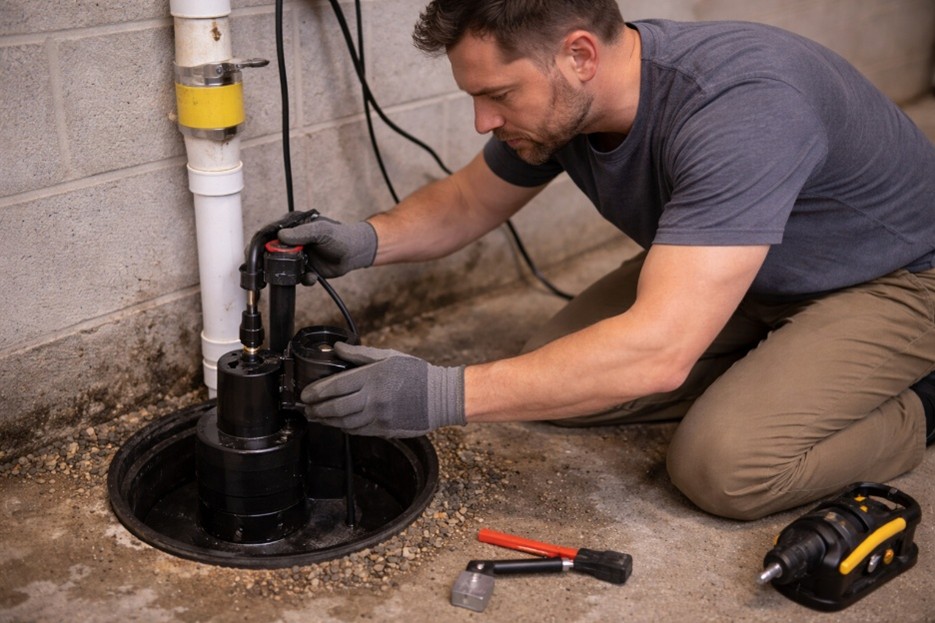
- A sump pit sized and placed correctly
- A reliable sump pump with:
- a check valve
- proper discharge routing away from the house
- Optional battery backup or secondary pump if your risk is high
How A Plumber Can Help
A sump system only helps if it’s installed correctly and discharges properly. Plumbing Dunn Right’s sump pump services focus on moving heavy rain and snowmelt water away from the foundation to reduce basement flooding risk. If you’re creating a plan to waterproof your home, this is often the “last line of defense” that saves basements when conditions get extreme. (Plumbing Dunn Right)
You can learn more about our sump pump services here.
4
Exclusive For Residents of Halton Region
If you live in Halton Region, you may qualify for support through the Enhanced Basement Flooding Prevention Subsidy Program. This program is designed to make key home improvements “easier and more affordable” for reducing basement flooding risk.
The subsidy can cover eligible materials and invoiced contractor labour for improvements such as:
- Downspout disconnection
- Sewer lateral (pipe) lining and repair
- Weeping tile disconnection combined with sump pump installation
- Backwater valve installation
What To Do Next
The general steps are:
- Download the application and waiver forms from Halton Region
- Submit the completed forms with the required documentation
- Book a consultation for the work (and mention you’re applying for the subsidy)
- After the work is completed, submit final documentation as required
You can read the full overview here: Basement Flooding Protection Program.
Quick FAQ
What are the most common signs I need waterproofing help?
Musty smells, damp walls, water at the cove joint, recurring puddles, or a sump pump that runs constantly during rain.
Is a sump pump enough to stop basement flooding?
A sump pump helps with groundwater, but it won’t stop sewer backups or roof runoff issues. The best results come from a full waterproofing home plan.
What does a backwater valve do?
It helps prevent wastewater from flowing backward into your home through the sanitary drain during overload conditions.
Why does water show up after snowmelt even if it didn’t rain?
Snowmelt can saturate the soil for days. If water collects near the foundation or groundwater rises, seepage can appear without a big rainfall.
I’m in Halton Region—what improvements are often recognized for flood prevention support?
Downspout disconnection, sewer lateral repair/lining, weeping tile disconnection with sump pump installation, and backwater valve installation are commonly listed measures. Learn more here.
Contact Plumbing Dunn Right
Don’t wait for the next thaw or downpour to find out where your basement is vulnerable. Whether you need an inspection, a repair, or a complete waterproofing basement and home plan, Plumbing Dunn Right can help you figure out the right next step.
We’re fully licensed and insured, with over 10 years of experience serving Milton, Georgetown, Oakville, Burlington, Halton Hills, Flamborough, Acton, and Puslinch.
Our goal is simple—to get it Dunn Right the first time.
Learn more about our waterproofing services, including sump pumps and cracked foundation support.
Done with this waterproofing guide? Check out our other plumbing guides.